A workshop magazine for people who would rather measure twice
Werkstatt Wand is an English-language DIY and home renovation magazine for homeowners aged 45 and over. We publish method-first guides on renovation, home improvement, tools, woodwork, painting and repairs, plus step-by-step sequences you can follow at your own bench.
Each piece names the task, the check that tells you whether it worked, and the safety note that actually matters. Flattening a workbench top with hand planes, choosing breathable paint for old plaster, judging a cordless drill by measurable criteria, diagnosing a sticking door before the plane comes out, planning a narrow basement workshop, sharpening chisels on waterstones. No accounts, no search, no filters, no comments. If you want to send a note to the editors, the contact page is the one place where a message can be saved for the owner after separate consent.
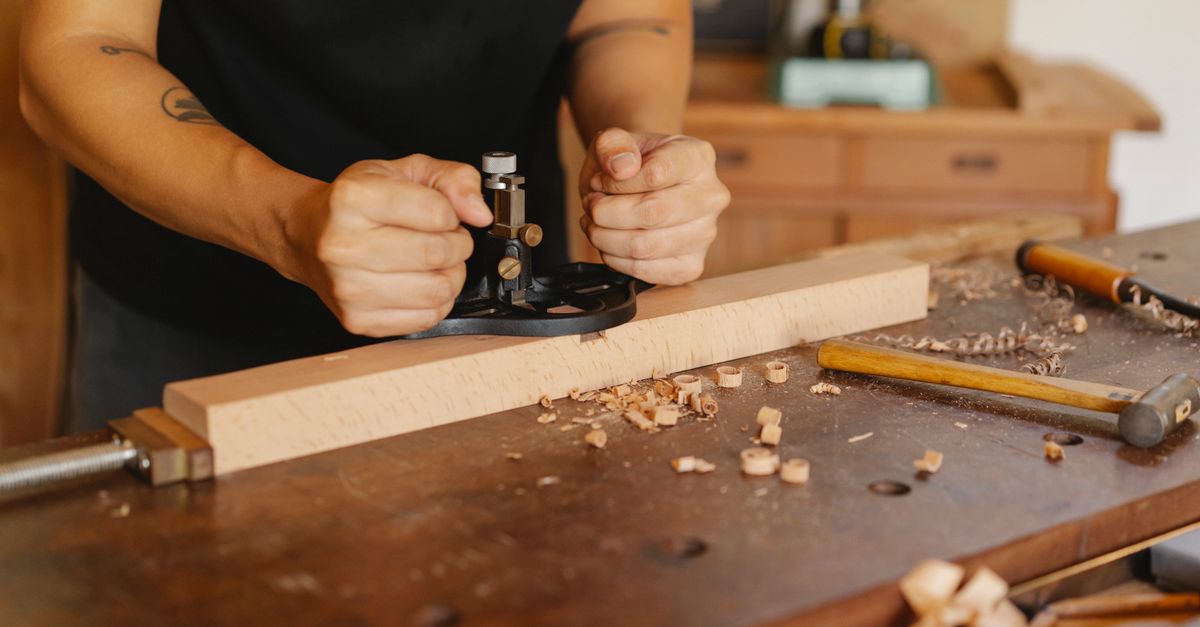
Bench work begins with a flat reference surface and a sharp edge.
Where to start, and what each area covers
Six working areas run through the magazine. Each one is written for a homeowner with a few tools, a limited weekend and no interest in being sold a shortcut. Pick the area closest to the job in front of you, then follow the check that comes before any cutting, painting or buying.
Renovation
Rooms that need more than a coat of paint: taking up old flooring, opening a wall, sorting out a ceiling that has sagged. The guides start with a survey of what is actually there and what can stay.
Smaller jobs that still change how a house feels: shelves that carry weight, a hallway that stops squeaking, storage built into an awkward corner. Useful when the budget is a Saturday, not a season.
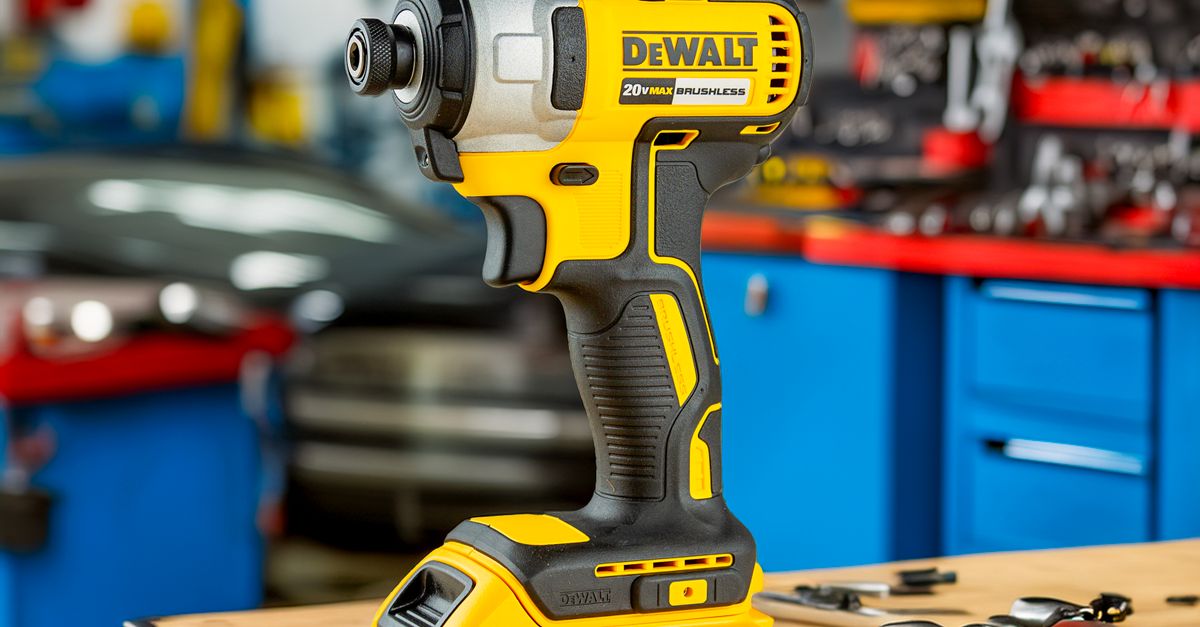
Comparisons built on things you can measure: torque under load, chuck runout, whether a spare battery will still exist in five years. No voltage bragging, no sponsored winners.
Hand-tool technique for people working on a bench, not in a factory: flattening a glued-up top, cutting a clean joint, keeping an edge sharp enough to pare end grain.
Old plaster, lime, gypsum, the wrong primer. Choosing a finish that lets a wall dry out matters more than the colour card, and the prep usually decides how the room looks in two years.
A sticking door, a loose hinge, a tap that drips. Diagnose first, then reach for the tool. Every walkthrough names the safety note that actually matters for that job.
Not sure which area fits? The contact page is the one place to describe the job and save a message for the editors.
How a project actually runs here
Every guide on Werkstatt Wand follows the same working order: name the task, check what is really wrong, then choose the smallest intervention that fixes it. A sticking door is diagnosed with a feeler gauge and a hinge test before any plane touches the edge. A cupped bench top is read with winding sticks under raking light before the first traversing cut. That sequence is the method, and it is what the magazine teaches.
Before you start
Write down what the surface, wall or fitting is made of and how old it is. Old plaster, glued-up beech and a pre-war door frame each behave differently from modern equivalents, and the material decides the tool, the finish and the amount of patience required.
If the substrate is unknown, test it first: a drop of water on plaster, a scratch test on paint, a straightedge across a bench top.
What to have ready
Gather the measuring and checking tools alongside the working ones. A straightedge, winding sticks, a feeler gauge and a low raking light tell you more about a job than any single power tool. Dust extraction and eye protection belong in the same list, not added later.
Note the model and condition of anything you plan to buy or borrow, so a comparison can be judged on measurable criteria rather than voltage figures.
Reading the result
Each article ends with an observable check: a straightedge laid across the surface, a door swung through a heating season, a chisel tested on pine end grain. If the check fails, the guide says which step to repeat instead of pushing on to the finish.
Checks are described as they can be performed at home, with tools most workshops already own.
Questions and suggestions
There are no accounts, search, filters or comment threads on this site. If a guide leaves something unclear, or you want to suggest a repair, tool comparison or sharpening routine, the contact page is the one place where a message can be saved for the editors after you give separate consent.
Read the Privacy page for what happens to a submitted message, or go straight to Contact.
Why readers keep coming back to Werkstatt Wand
There is no shortage of renovation advice online. Most of it is written to sell a product or to fill a page. We take a different route: name the task, describe the check that tells you whether it worked, and say plainly where the risk sits. That is the whole method, and it is why the magazine reads the way it does.
Method over marketing
Every guide starts with a measurable check
A workbench top is flat when winding sticks line up under raking light, not when the slab looks straight. A cordless drill earns its place through chuck runout and spare-part support, not through a voltage number on the box. We describe the test first and the tool second, so you can judge the result yourself instead of trusting a claim.
Honest about the limits
We say what a job will not fix
Trimming a sticking door does nothing if the hinge has pulled loose or the frame has settled. Breathable paint will not rescue plaster that is already failing. Where a repair has a ceiling, we name it, including the point at which calling a specialist is the cheaper decision. That is more useful than a tidy list of steps.
Written for the long haul
Homeowners past fifty, working at their own pace
Our readers have renovated before and know that a room takes weeks, not a weekend. The writing assumes a home workshop, a limited budget and a back that notices a full day of planing. Safety notes sit next to the instruction they belong to, not in a disclaimer at the bottom, and dust, sharp edges and old wiring get treated as the real hazards they are.
No noise
No accounts, no feeds, no automated replies
You will not find a login, a comment thread or a chatbot here. Articles are meant to be read, printed and taken to the bench. If something in a guide is unclear or you have found a better way to do it, the contact page is the one place where a message can be saved for the editor, after you give separate consent for storage.
Compared with product pages and video tutorials, the difference is simple: we show the reasoning, the failure modes and the check that proves the work. If that approach suits how you build, start with the editorial mission or see the full range of topics we cover.
Your choice on this site
This panel saves only your answer, accepted or rejected, in your browser's local storage. Nothing else is recorded by it, and the choice stays until you clear your browser data.
You can read how contact details are handled in the Privacy notice.